Six months ago, if you told me Elon Musk would rent xAI’s flagship data center to Anthropic — the same company he called “misanthropic and evil” — I would have laughed. Yet here we are. Anthropic is now leasing the entire Colossus 1 facility from SpaceX. All of it.
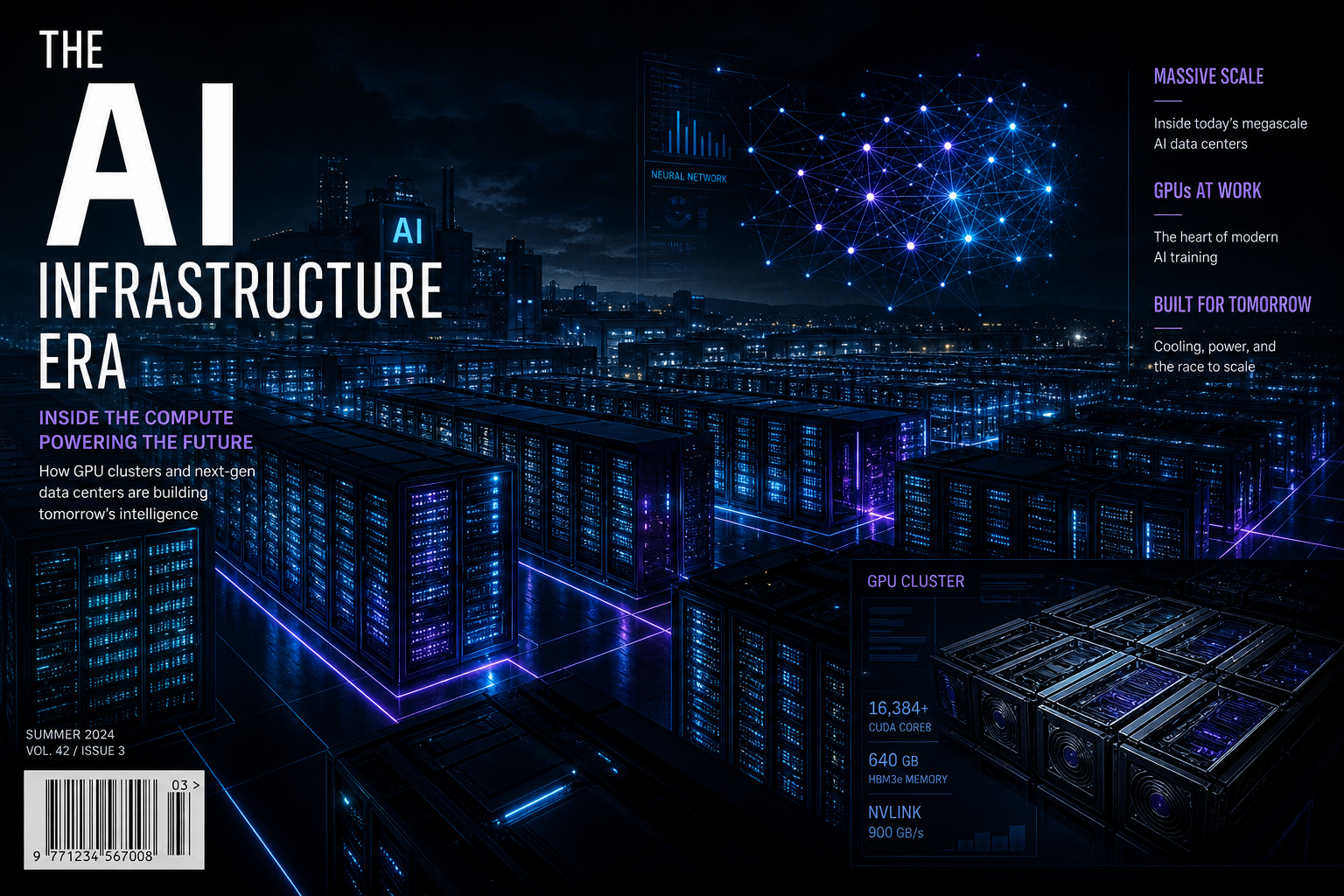
The raw numbers are hard to wrap your head around. More than 220,000 Nvidia GPUs — H100s, H200s, and next-gen GB200s — pulling over 300 megawatts of power. That is not a partnership or a shared cluster. Anthropic gets the full capacity. The facility comes online this month.
What Actually Changed for Claude Users
If you pay for Claude, you already noticed. Three things went live immediately with no action required:
- Doubled rate limits for Claude Code on Pro, Max, Team, and Enterprise plans
- Peak-hour throttling is gone — same limits at 3 PM and 3 AM
- Higher Opus API caps across all tiers
Free users get nothing. Anthropic is not subtle about where their priorities lie.
The previous five-hour rate limits were genuinely annoying. Hitting a cap mid-debug is a workflow killer. Doubling them makes the $20/month Pro plan actually usable for serious development without forcing an upgrade to Max. I have been on Pro since launch and the throttling during peak hours was the main reason I considered jumping to Max. Now I do not need to.
Why This Deal Matters Now
Anthropic has not been sitting still on infrastructure. Look at their recent commitments:
| Partner | Capacity | Timeline |
|---|---|---|
| SpaceX (Colossus 1) | 300 MW / 220K+ GPUs | Now |
| Amazon | Up to 5 GW | 1 GW by end of 2026 |
| Google + Broadcom | 5 GW | 2027 |
| Microsoft + NVIDIA | $30B Azure commitment | Rolling |
| Fluidstack | $50B investment | Long-term |
The SpaceX deal is the only one delivering this month. Everything else is a year or more out. Anthropic needed capacity yesterday because their run-rate revenue just blew past $30 billion — up from $9 billion at the end of 2025. That velocity breaks things.
Their uptime was sitting at 99.1%. Sounds decent until you do the math: almost 80 hours of downtime per year. The industry standard for serious infrastructure is 99.999% — five nines, about five minutes of downtime annually. Anthropic was not even in the same zip code.
”Dreaming” Is the Part Worth Watching
Buried under the compute headlines was something more interesting: a research preview called “Dreaming.”
The idea is that Claude reviews its own work between sessions, spots patterns, and updates context files storing user preferences. Self-improvement through introspection. It is subtle but important — an agent that actually learns from experience instead of starting fresh every conversation.
Anthropic also opened up task delegation wider, letting Claude break complex jobs into subtasks and hand them to specialist agents. And they showed 10 finance-focused agents at an event in New York.
The direction is clear. They are building agents that do not just execute — they adapt. The compute is just the floor.
Elon’s Reversal
This is the part that gets me. In February, SpaceX acquired xAI. Grok became a SpaceX product. Musk had written that Anthropic was “doomed to become the opposite of its name.” He said “winning was never in the set of possible outcomes for Anthropic.”
Now he is leasing them xAI’s crown jewel.
His explanation, posted on X after meeting the Anthropic team: “No one set off my evil detector. So long as they engage in critical self-examination, Claude will probably be good.”
He claims xAI already moved training to Colossus 2, freeing up Colossus 1. Maybe. But the simpler truth is that SpaceX is prepping for an IPO and needs marquee revenue. A $30 billion run-rate tenant looks very good in a prospectus. Revenue beats rivalry.
Musk did add a condition: SpaceX will “reserve the right to reclaim the compute if their AI engages in actions that harm humanity.” Cute. Legally meaningless, probably, but it lets him save face.
What This Means If You Build With AI
For Claude Code users, this is the most practical update in months. Rate limits were the biggest friction point for daily use. Removing peak-hour throttling alone is a quality-of-life improvement that is hard to overstate.
For API developers, higher Opus caps mean less time architecting around rate limits. You can simplify batching. Less queue logic, more shipping.
The timing is not random. OpenAI shipped the /goal command for Codex CLI last week, giving it persistent workflows that compete directly with Claude Code’s agent mode. Codex bills per task. Claude Code bills flat monthly. Doubling limits effectively cuts the per-message cost in half for heavy users. It is a competitive move dressed up as infrastructure news.
Space Data Centers: The Fever Dream
The most speculative announcement got the least attention. Anthropic said they are “interested in partnering with SpaceX to develop multiple gigawatts of orbital AI compute capacity.”
Space-based data centers. Solar powered. No atmosphere. Potentially easier cooling. It sounds insane until you remember Starlink already has thousands of satellites in orbit. The physics are not the hard part — getting the economics to work is.
This is years away, if it happens at all. But it signals where the infrastructure race is heading. Terrestrial data centers are running into hard limits: power grid capacity, land, cooling. When you cannot build bigger on Earth, the next option is to leave it.
Where This Leaves Us
Anthropic needed compute. SpaceX needed a flagship tenant. Both problems got solved today.
For developers, the practical takeaway is simple: fewer interruptions, more consistent performance, and proof that Anthropic is investing in infrastructure at the same scale as their model development.
The infrastructure layer is consolidating fast. The companies that can secure multi-gigawatt commitments — Amazon, Google, Microsoft, and now Anthropic — are pulling away from everyone else. This deal puts Anthropic firmly in that tier.
As for orbital data centers? I will believe it when I see it. But the fact that serious companies are even talking about it tells you how constrained terrestrial infrastructure has become.
The race is not just about who has the best model anymore. It is about who can power it.